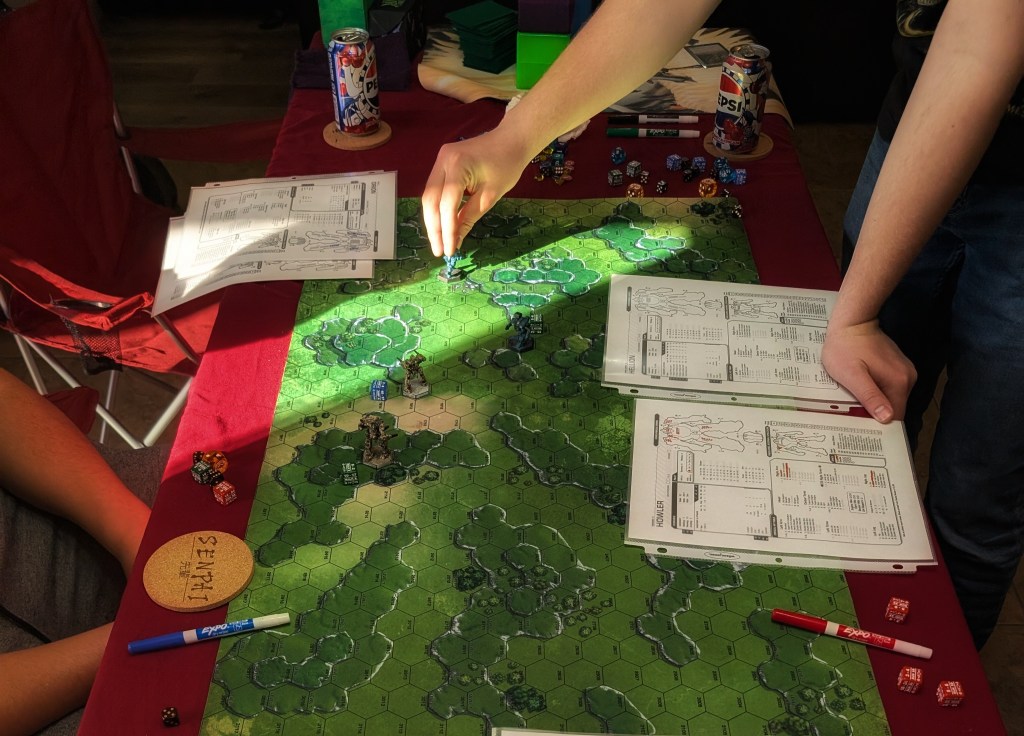
Battletech at first glance can be overwhelming but it isn’t as bad as it looks. To keep it simple the steps are as follows.
– Roll for Initiative
– Move
– Shoot (mark damage)
– Manage heat
This link here is a video that I used to help with understanding most of the rules. It helped me with my first game and it dips into some lore. Hopefully it will help with your path to playing Battletech.
Step 1: Gather Your Materials
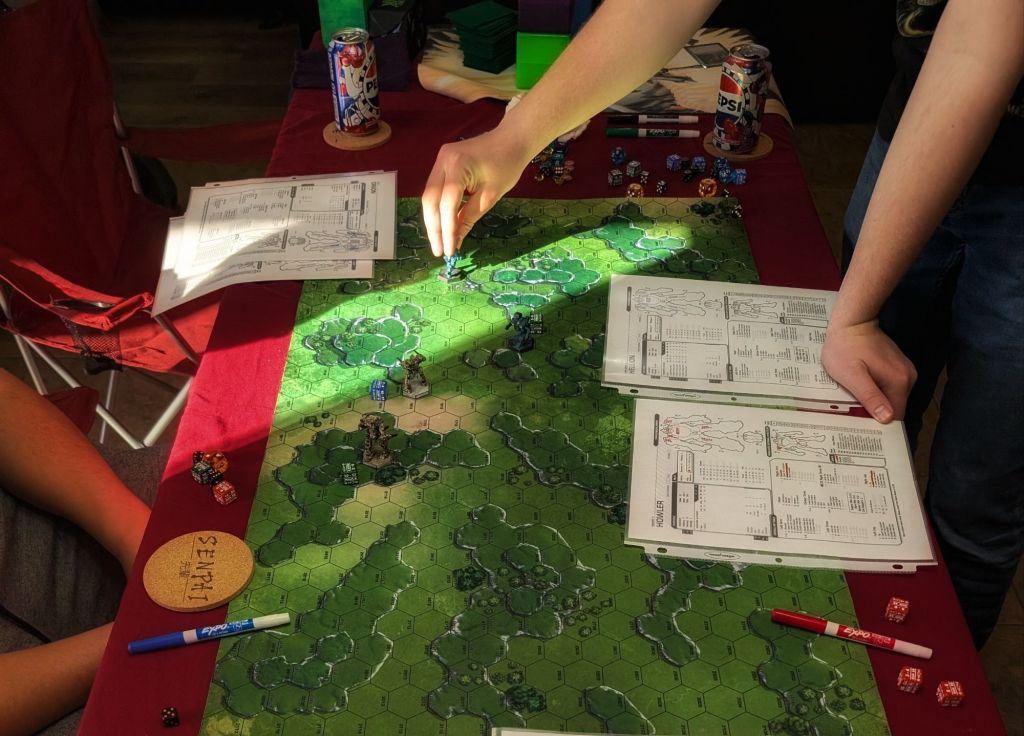
Before you start playing, you’ll need:
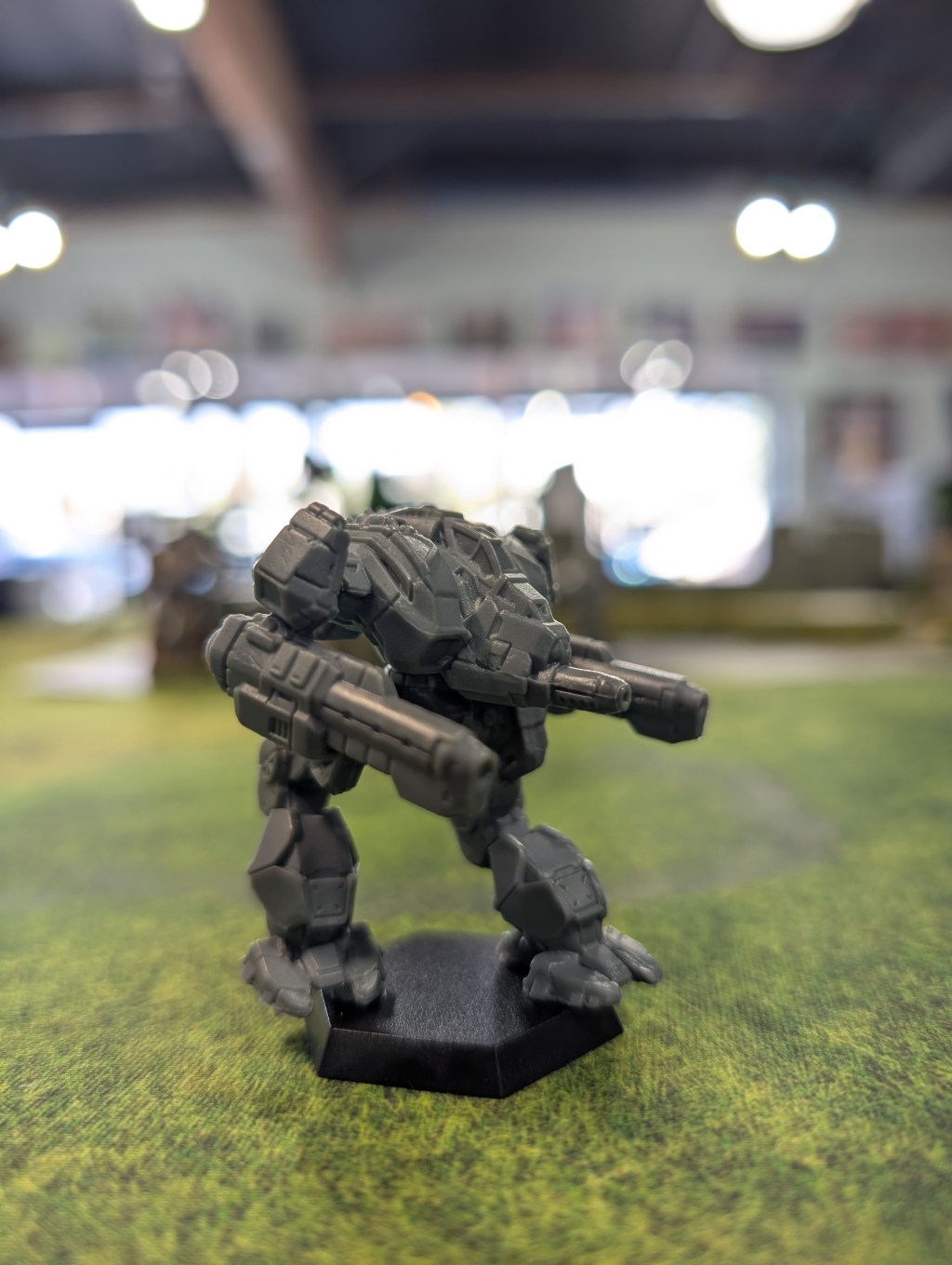
BattleMechs – Miniatures or cardboard standees.
Record Sheets – Each Mech has a sheet tracking weapons, armor, and heat.
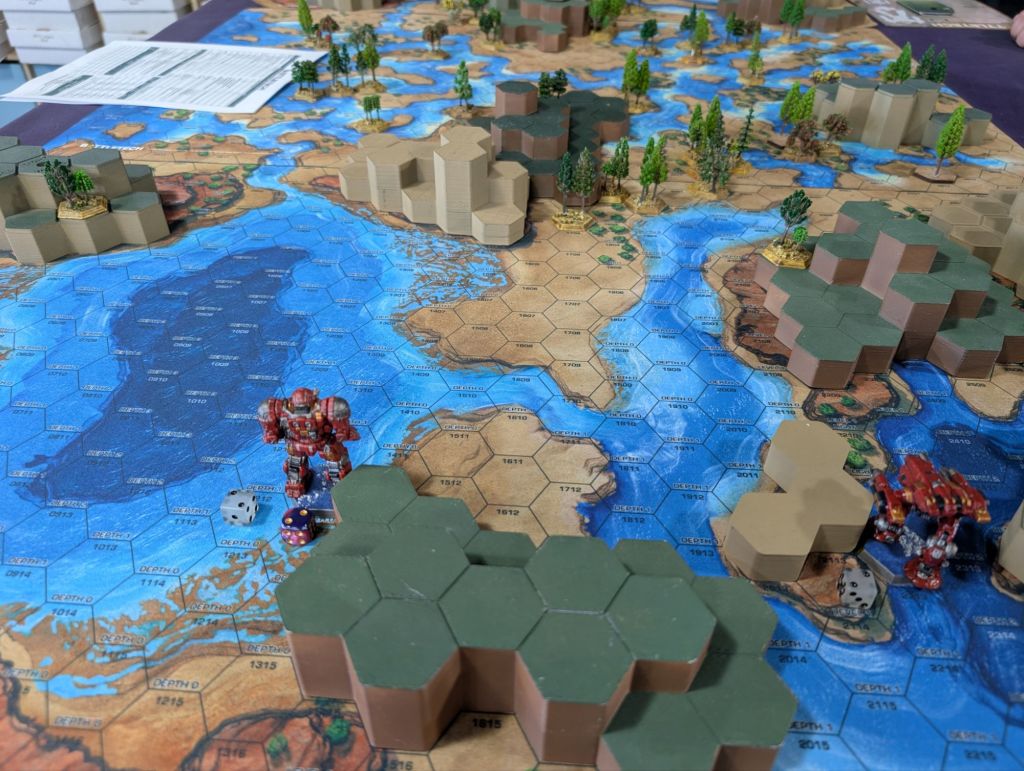
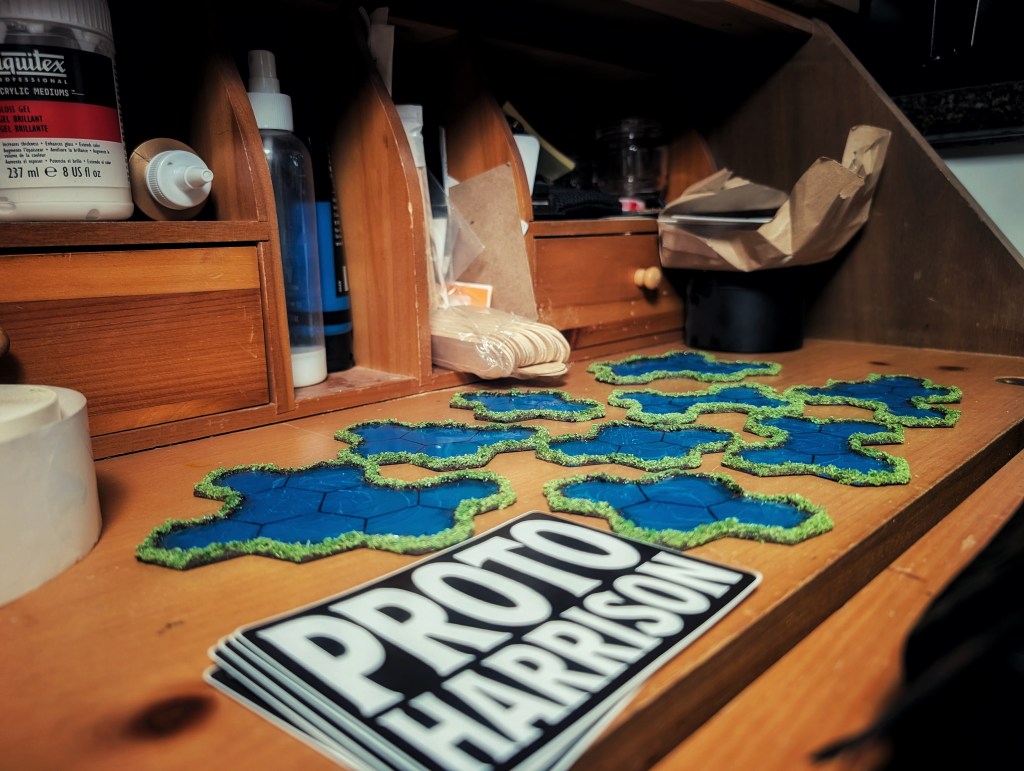
Map Sheets or Terrain – Hex-based maps or 3D terrain.
Dice – Standard six-sided dice (2d6 needed for most rolls).
Rulebook – The BattleTech: Beginner Box or A Game of Armored Combat rulebooks are great starting points.
Step 2: Understanding the Turn Structure
BattleTech is turn-based, with each round consisting of five phases:
Initiative Phase – Both players roll 2d6; the higher result moves second (a tactical advantage).
Movement Phase – Players alternate moving their Mechs based on Initiative order. Movement affects attack difficulty.
Weapon Attack Phase – Players declare attacks, roll to hit, and apply damage.
Physical Attack Phase – If adjacent, Mechs can punch, kick, or charge.
End Phase – Resolve heat buildup and check for damage effects.
Step 3: Moving Your BattleMech
Each BattleMech has a Movement Profile:
Walking – Standard movement, generates some heat.
Running – Faster, but adds more heat and makes attacking harder.
Jumping – Can ignore terrain, but generates a lot of heat.
Movement affects your ability to hit enemies and avoid attacks. Faster movement makes a Mech harder to hit.
Step 4: Attacking and Rolling to Hit
Each weapon has a range and damage value.
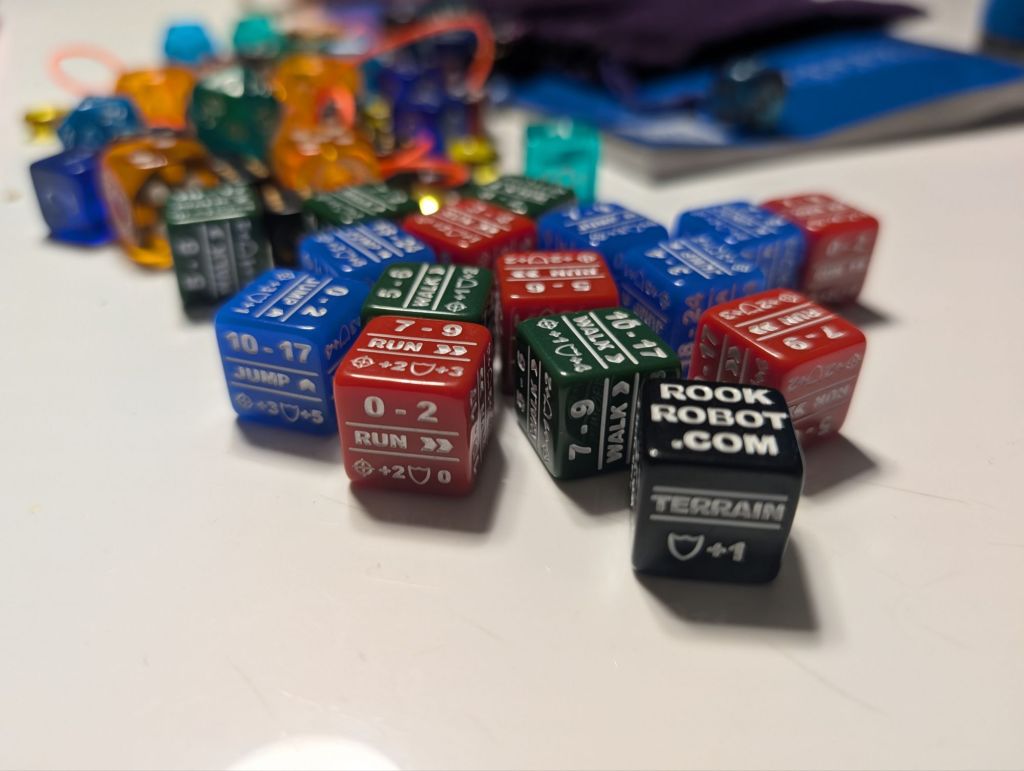
Determine if the target is within range and line of sight. Roll 2d6 to hit, you can use these dice to help with the target roll or use this formula:
Base Skill + Movement Modifiers + Terrain Modifiers + Target’s Evasion = Target Number
If your roll meets or exceeds the Target Number, the attack hits.Roll for hit location, apply damage, and track it on the Record Sheet.
Step 5: Managing Heat
Shooting and moving generate heat. Each Mech has heat sinks to dissipate it. If heat builds up:
Attacks become harder.
Mechs slow down.
Overheating can cause shutdowns or even ammo explosions.
Balancing firepower and heat is a key part of BattleTech strategy.
 Proto Harrison
Leave a comment